










Screen-First Interfaces Limit Clinical Performance
Modern medical devices and clinical software rely heavily on touch-based navigation. In hands-busy, time-critical environments, this model can disrupt focus, slow down workflow execution, and increase contamination risk. As clinical complexity grows, traditional interaction models struggle to keep pace.
Six Barriers Limiting Modern Medical Devices
Sterile and Hands-Busy Constraints
In high-acuity environments, manual interaction increases contamination risk and disrupts sterile workflows.
Complex Interface Navigation
Multi-step menus and screen-heavy workflows slow execution in time-critical situations.
Manual Data Capture
Structured input requires attention shifts that increase cognitive load and error potential.
Infrastructure Dependency
Cloud-reliant architectures introduce latency, unpredictability, and regulatory constraints in sensitive clinical environments.
Data Privacy & Compliance Pressure
Strict regulations limit how and where patient data can be processed.
Usability & Adoption Gaps
Advanced features remain underused when interaction models are unintuitive or require extensive training.
In sterile, high-stakes environments where every hand is occupied, voice becomes a "third arm" enabling hands-free control of medical devices.
Embedded voice interaction removes interface friction while improving usability, product differentiation, and clinician adoption.
- → Adds minutes of delay per procedure.
- → Touch-based systems increase contamination risk.
- → Poor UX drives low clinician adoption.
A Voice Interaction Layer Designed for
Regulated Healthcare Environments
Vivoka provides an embedded Voice AI platform that allows manufacturers and software vendors to voice-enable their products with secure, reliable control so interaction never interrupts care.
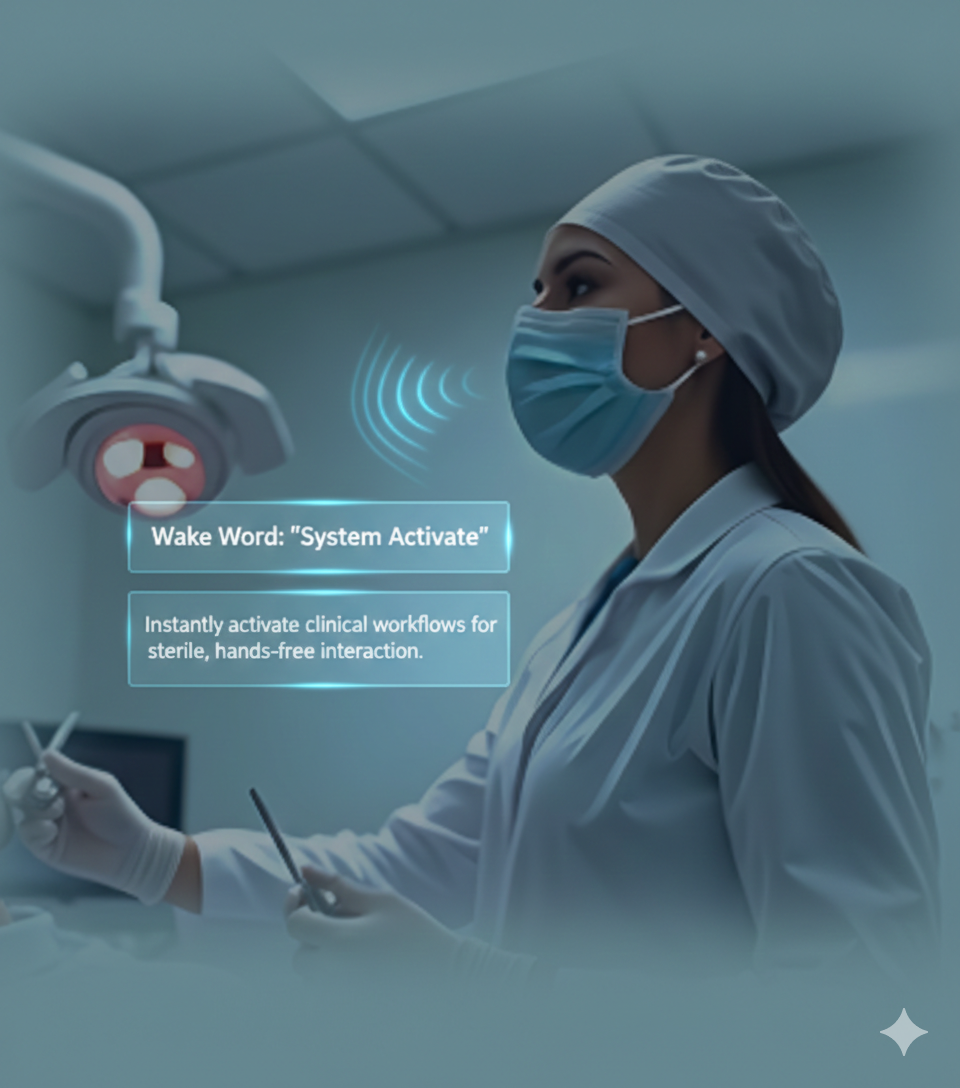
Wake word activation
Instantly activate devices with a customizable trigger word. Enables sterile, hands-free interaction in operating rooms and clinical environments while improving product usability and differentiation.
Learn more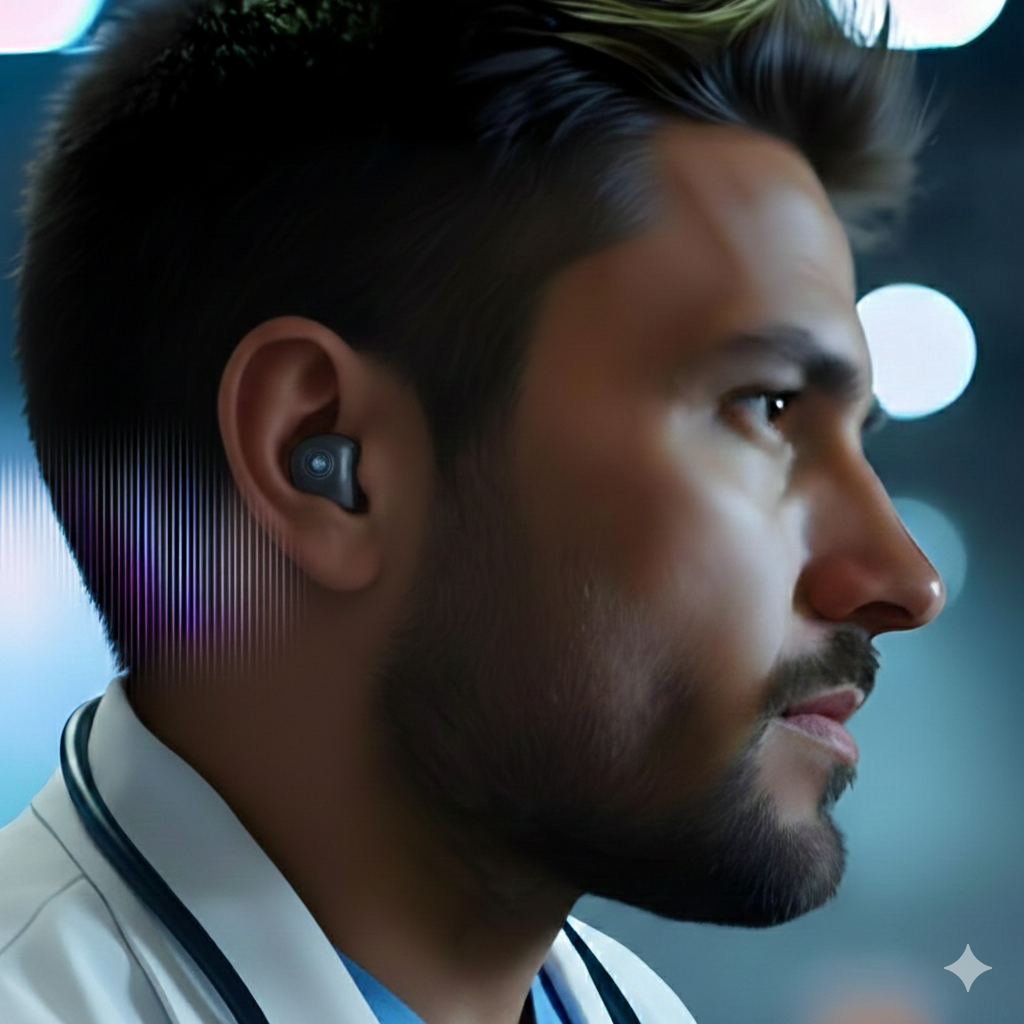
Audio enhancement
Advanced audio processing isolates the clinician's voice in noisy clinical environments, ensuring reliable product performance in real-world conditions.
Learn more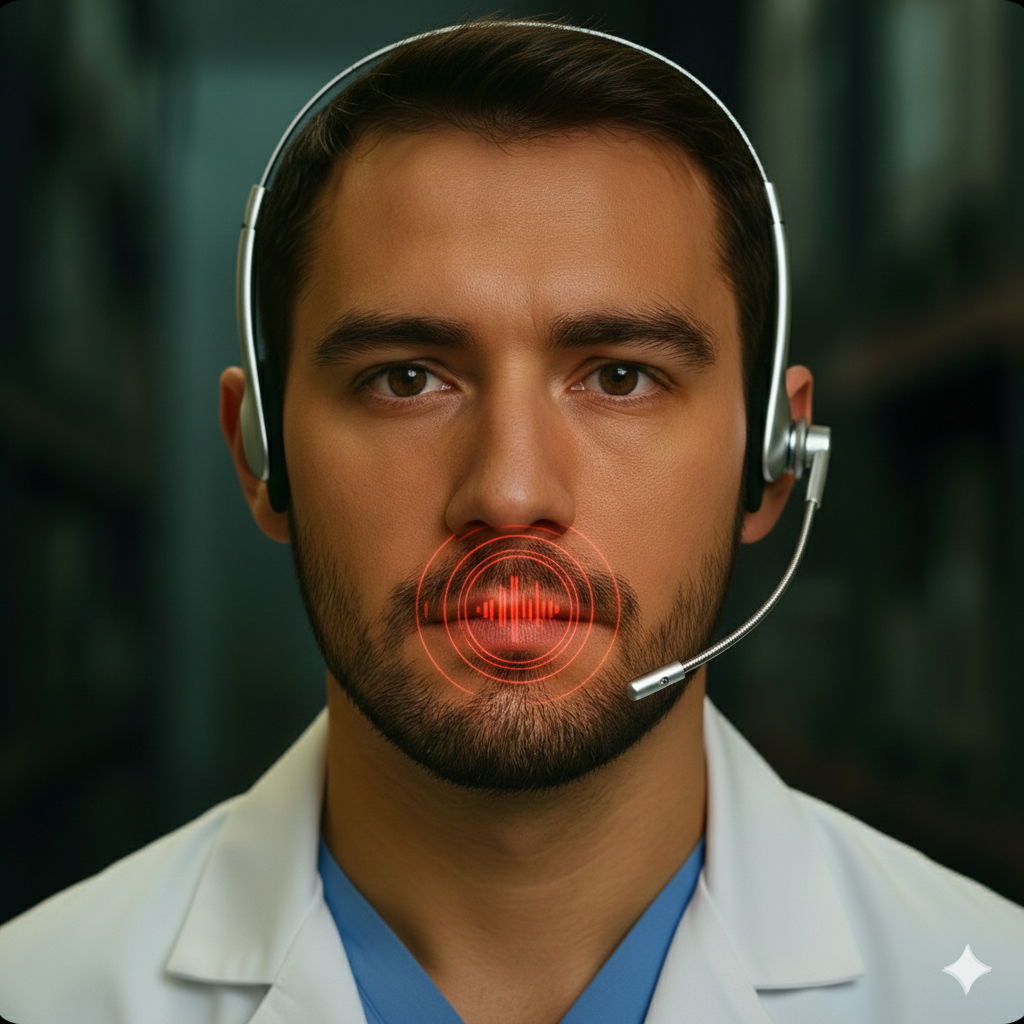
Voice biometrics
Speaker-specific authentication ensures that only authorized clinicians or technicians can trigger critical actions.
Learn more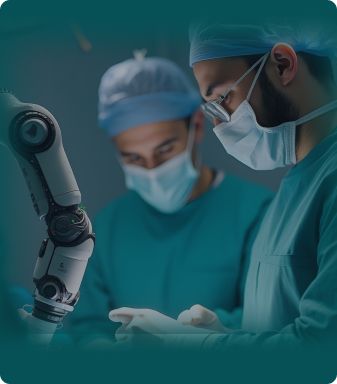
Command and control recognition
Structured voice commands allow clinicians to navigate interfaces, validate actions, control medical devices, and complete workflow steps safely.
Learn more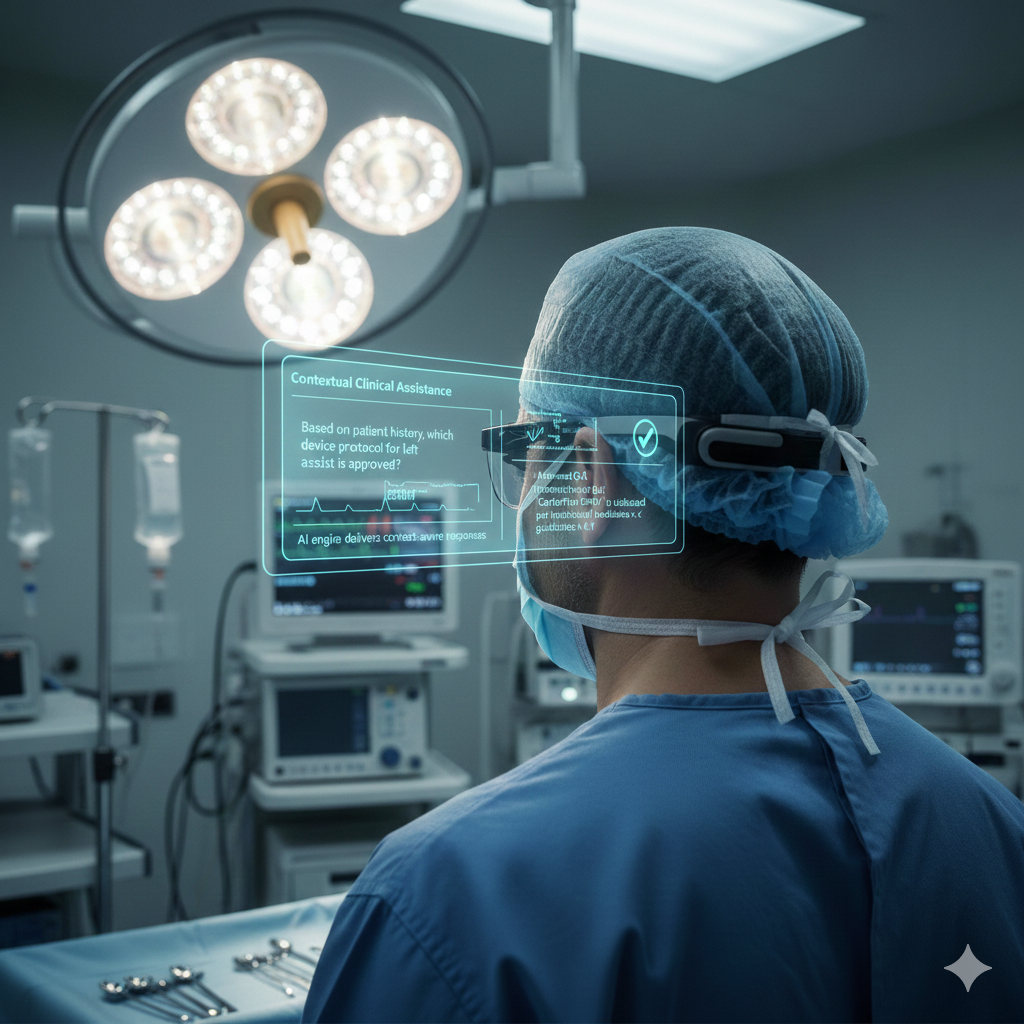
Contextual clinical assistance
An AI-powered engine utilizing RAG (Retrieval-Augmented Generation) to deliver context-aware responses sourced exclusively from approved IFUs, device documentation, or institutional protocols.
Learn more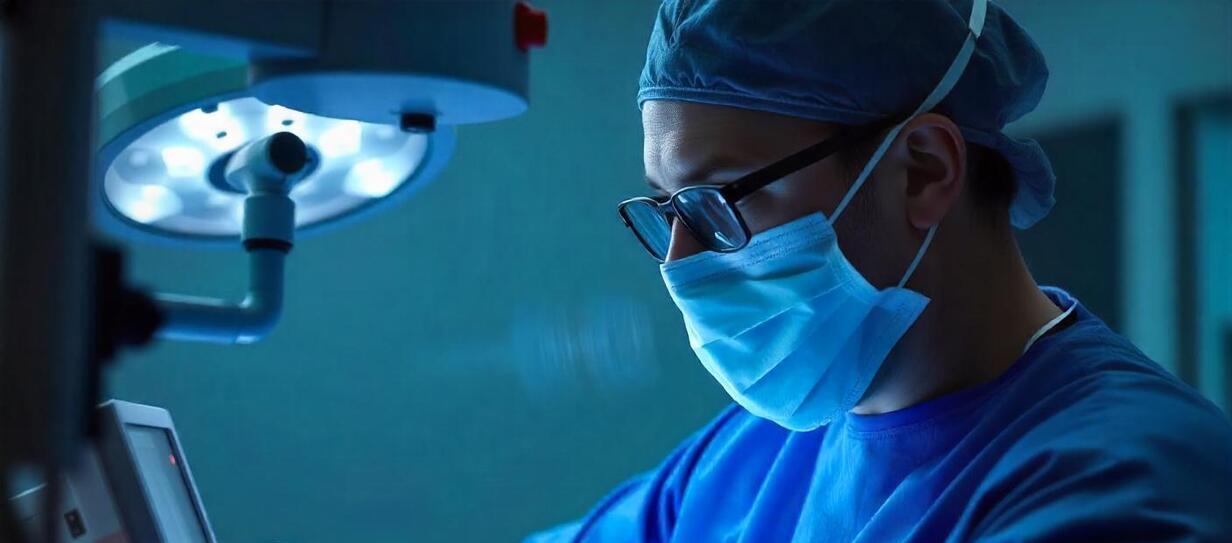
Text-to-speech feedback
Natural voice synthesis improves workflow guidance and enables intuitive user interfaces across medical devices and clinical software.
Learn moreCore Platform Advantages
Fully embedded architecture simplifies certification and eliminates dependency on external cloud infrastructure.
Offline processing ensures predictable performance and supports strict healthcare data requirements.
Multi-language support enables global product deployment across markets.
"Our SOLOASSIST II platform sets an industrial benchmark regarding flexibility, functionality, and operability. Voice control is a vital part of our user interface, and it will become even more significant with the next generation we are developing. By partnering with leading solution providers like Vivoka, we are not just implementing voice control but creating a voice companion to overcome current limitations and expand applications."

Robert Geiger
Managing Director, AKTORmed
SOLOASSIST II
The smart robotic camera control system powered by Vivoka's Voice AI
Vivoka's Voice AI enables medical device makers and healthcare providers to tackle key challenges with adaptable, reliable, and cost-effective solutions—boosting efficiency and enhancing patient care.
Book a meetingFaster. Safer. Smarter Care.
Vivoka helps manufacturers and software vendors build voice-enabled medical products with hands-free control, enabling clinicians to save time, reduce errors, and use devices more efficiently.
Clinician benefits, delivered through your product
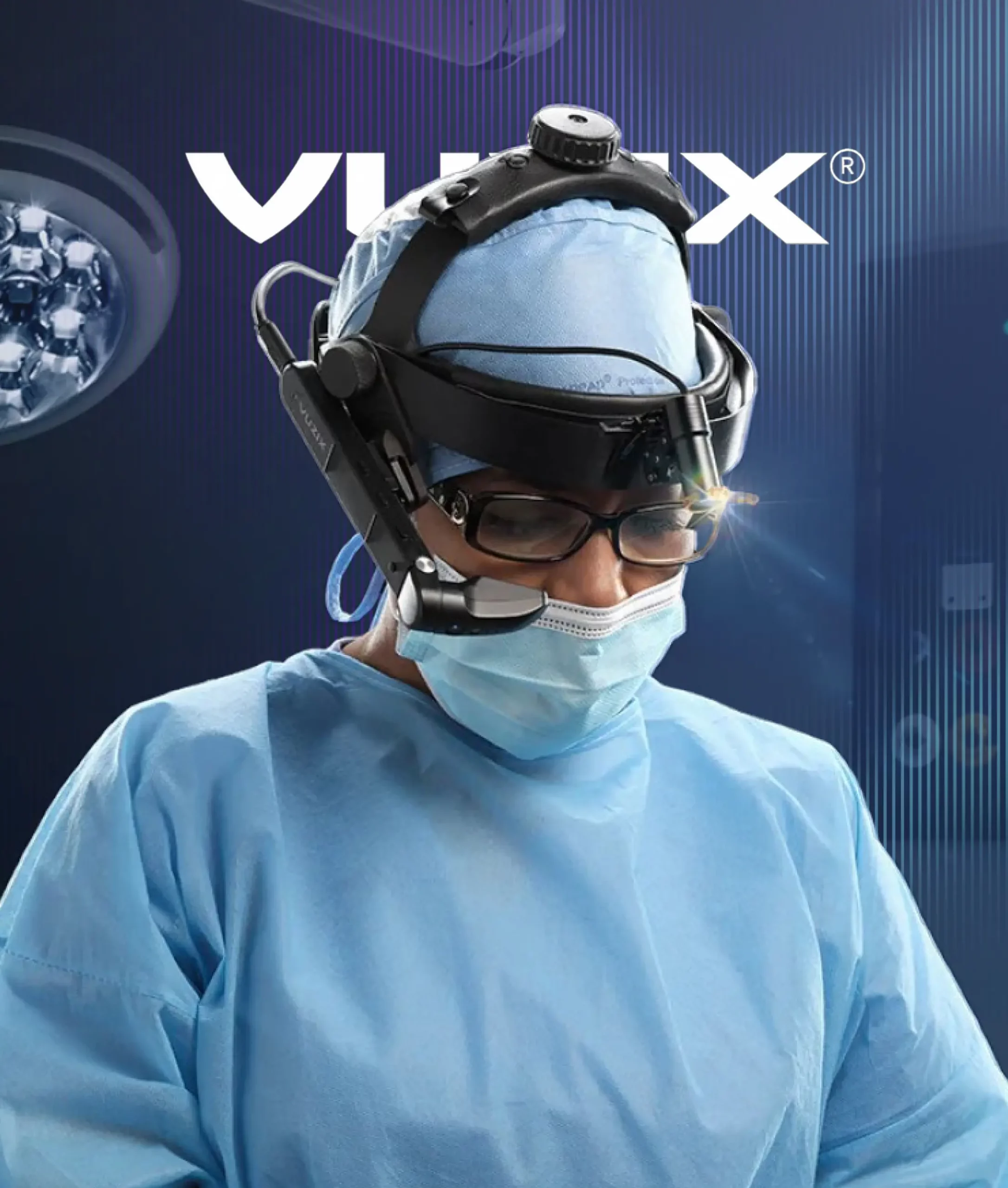
Voice-enable your MedTech with Vivoka – where efficiency meets precision.
Embedded Voice Architecture
for Clinical Workflows
Voice is not a feature, it is infrastructure for safer, faster, and sterile medical work.
Built for complex clinical environments, combining flexibility, scalability, and security at scale.
Designed for Product Differentiation and Measurable ROI
Faster workflows, reduced errors, improved clinician focus, and streamlined documentation translate into tangible operational gains. These improvements increase product value and support measurable ROI for device manufacturers and solution providers.
Real-time Offline Processing
Core voice processing runs directly on device, enabling immediate response without network dependency.
Embedded Architecture
Modular voice services integrate seamlessly through SDKs and APIs into firmware and clinical software.
Security & Compliance
Protected health information remains on-device. Voice biometrics secure access control.
Flexible Integration
From single devices to enterprise-wide rollouts, adapts to existing infrastructures.
Versatile Applications
Supports surgical navigation, patient monitoring, imaging control, and clinical documentation.
Voice AI Across the
Healthcare Ecosystem
From operating rooms to home care, discover how Vivoka transforms critical workflows across the entire medical device landscape.

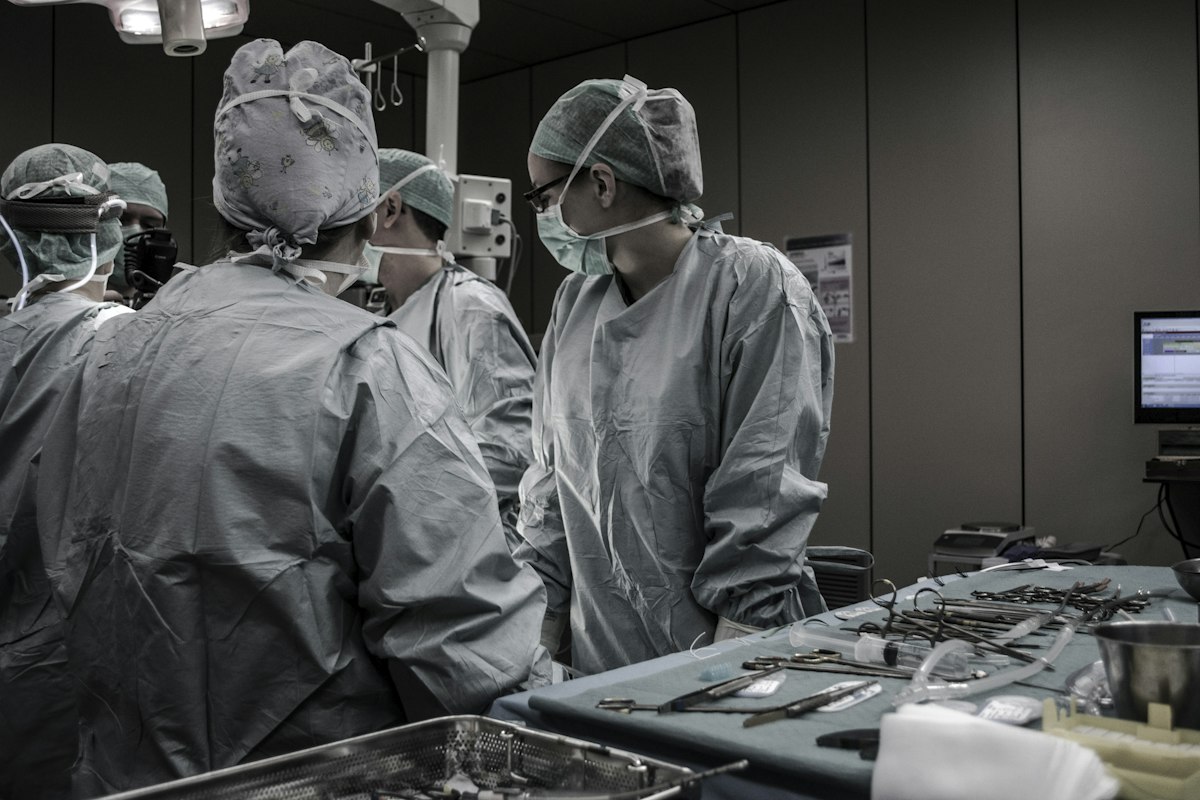
Intraoperative Device Control
Voice control integrated directly into surgical and imaging systems to enable hands-free interaction during procedures.
Clinical Software Navigation
A voice layer embedded within clinical applications to navigate interfaces, complete forms, and access patient data more naturally.
Clinical Documentation & Data Capture
Structured voice capture designed for clinical workflows. Navigation, confirmations, and data entry are processed locally on device.

Point of Care in Bedside & ICU Environments
Hands-free access to patient information and connected device data in time-sensitive settings with guided checklists.

Embedded Voice Knowledge & Guided Assistance
Contextual, device-specific support delivered directly on the device. Provides controlled Q&A capabilities and step validation.
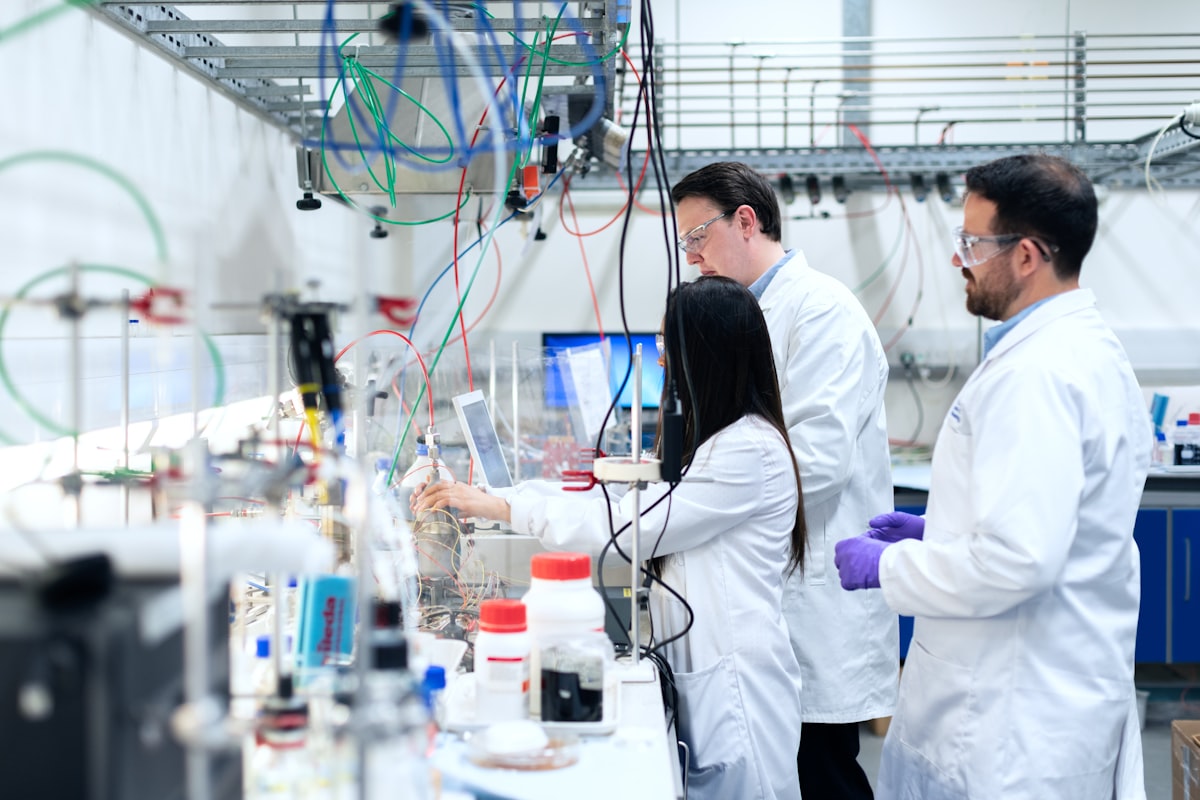
Field Service & Technical Support
Voice-guided repair workflows embedded into medical equipment. Technicians receive step-by-step troubleshooting support.

Manufacturing & Cleanroom Workflows
Voice-directed assembly and validation processes adapted to sterile environments with structured confirmations and traceability.

Home Care & Patient-Facing Devices
Voice-guided setup and procedural assistance for safe device use at home with multilingual support and reliable operation.